Select What Surgery Can—and Can’t—Do in Neuroblastoma What Surgery Can—and Can’t—Do in Neuroblastoma

A conversation with Dr. Michael LaQuaglia, Chief of Pediatric Surgery at Memorial Sloan Kettering

When a child is diagnosed with neuroblastoma, surgery is often one of the first things families ask about. What kind of surgery will be needed? Can the tumor be fully removed? What are the risks—and what comes next?

In our May 2025 Neuroblastoma Series webinar, we had the honor of hearing from Dr. Michael LaQuaglia, a world-renowned pediatric surgeon who has spent decades at the forefront of neuroblastoma care. His insights offered clarity, reassurance, and a realistic look at what surgical intervention can mean across the neuroblastoma journey.

What’s the Role of Surgery?

Surgery plays a central role in treating neuroblastoma—but it's only one part of a larger treatment plan. As Dr. LaQuaglia explained, most children receive chemotherapy before surgery (called “induction” chemotherapy) to shrink the tumor and make the surgery safer and more effective.

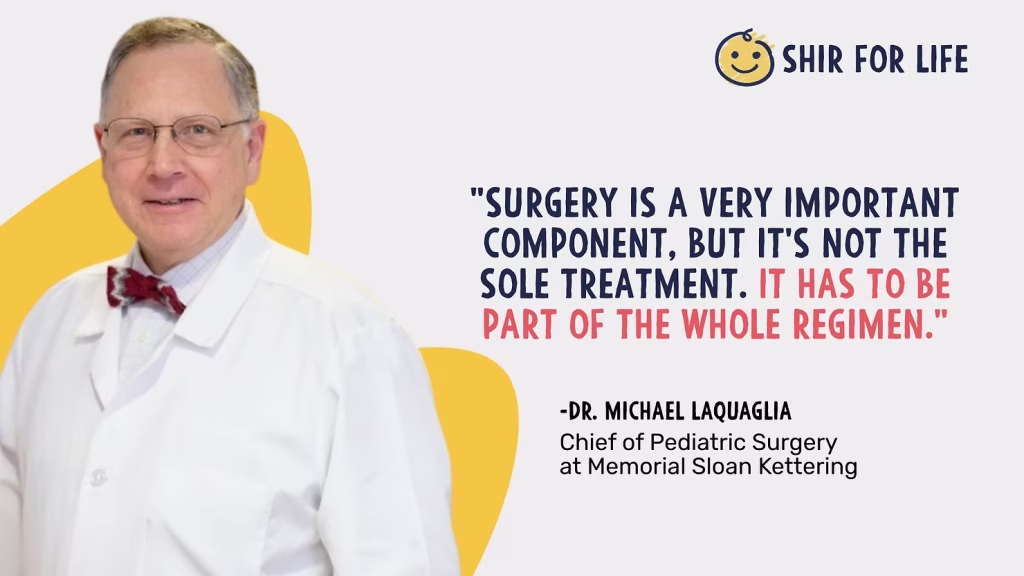
"Surgery is a very important component, but it's not the sole treatment. It has to be part of the whole regimen."

Dr. LaQuaglia emphasized that the goal is always to remove as much tumor as possible—safely. But surgery alone isn’t the solution; it must work hand-in-hand with chemotherapy, immunotherapy, and other treatments.

Every Case Is Different

No two surgeries—and no two children—are exactly alike. Factors like tumor location, age, risk category, and how the tumor responds to chemotherapy all impact the surgical approach.

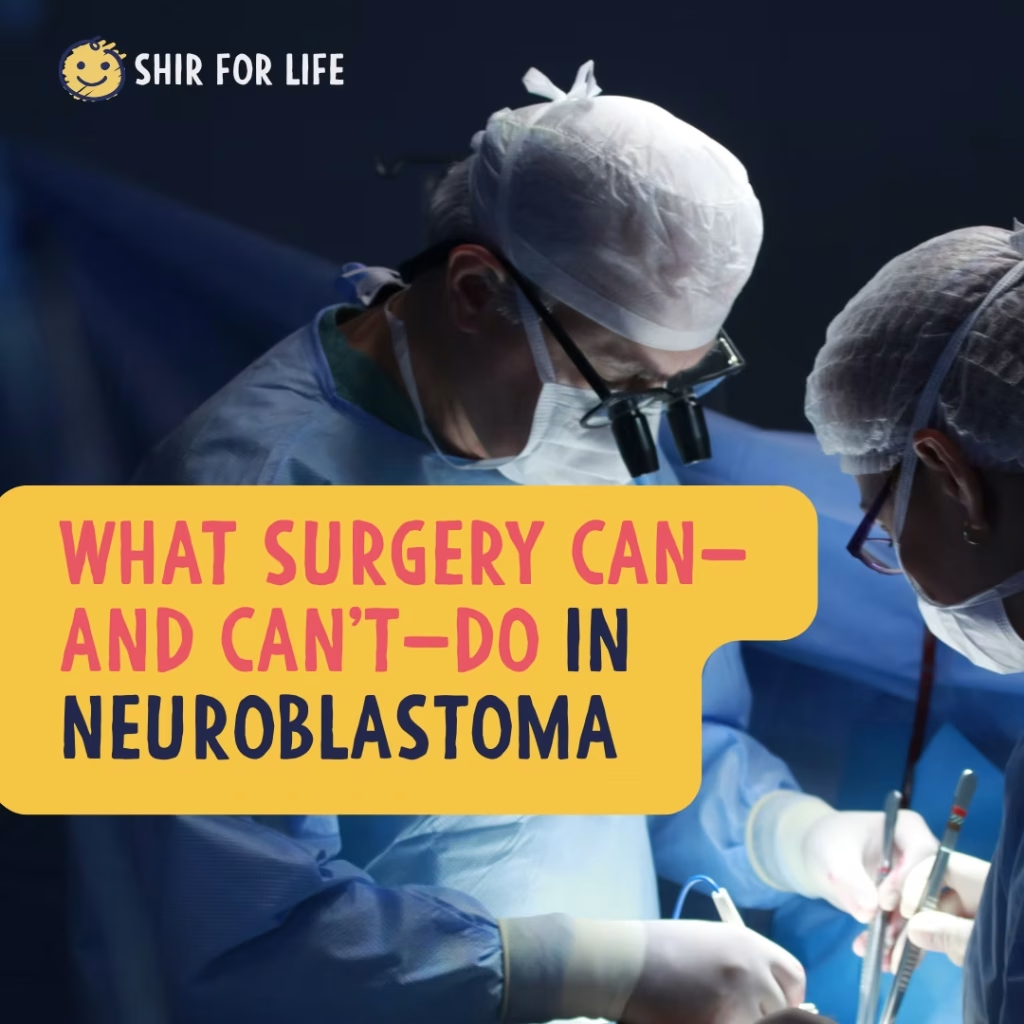
Some tumors wrap around blood vessels or nerves, making complete removal risky. Imaging, including CT and MRI scans, helps the team plan—but real-time decisions are made in the operating room based on what’s safest.

“We’re peeling it off those structures,” Dr. LaQuaglia explained, referring to major arteries and organs. “We’re not taking out the superior mesenteric artery or the celiac axis… that would be too morbid.”

What Happens After Surgery?
Depending on the case, post-surgery care may involve more chemotherapy, radiation, or immunotherapy. Some children need additional surgeries—especially if complications arise or if relapse occurs.


Surgery is never done in isolation—it requires collaboration between oncologists, radiologists, pathologists, and families. Dr. LaQuaglia stressed that no one is going through this alone.

Questions from Parents

During the live session, Dr. LaQuaglia addressed real questions from families around the world:


What if the tumor can’t be fully removed? Partial resection is still valuable: Dr. LaQuaglia noted that removing even part of the tumor can reduce risk and improve the effectiveness of other treatments like radiation and immunotherapy.


Is surgery still an option at relapse? Often, yes. But it depends on many factors, including location, previous surgeries, and current treatment response. A second opinion at an experienced center can help clarify options.


What are the long-term risks from surgery? While complications can occur, most are manageable. Dr. LaQuaglia emphasized that risks are minimized in experienced hands and supported by a collaborative care team.

Final Thoughts

For many parents, surgery is one of the most difficult milestones of the neuroblastoma journey. It’s a moment when something is physically taken away—and families hold on to hope that what’s gone is enough.


Dr. LaQuaglia reminded us that while surgery isn’t the whole answer, it’s often a pivotal step in a child’s treatment. His message was one of experience, collaboration, and continued learning.

Watch the Full Webinar

You can watch the full recording of Dr. LaQuaglia’s session here and catch up on all of our webinar series on YouTube here. 

Recent posts

Webinar Series

Webinar Series

Neuroblastoma Webinar Series — Watch On Demand Every month, Shir for Life brings together families, clinicians and advocates from around ...
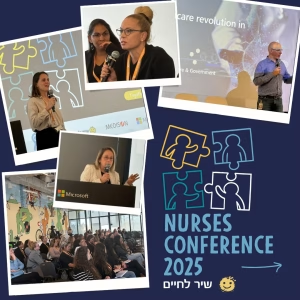
Strengthening Care, Connection, and Community: Highlights from the 2025 Shir for Life Nurses Conference

Strengthening Care, Connection, and Community: Highlights from the 2025 Shir for Life Nurses Conference

Strengthening Care, Connection, and Community: Highlights from the 2025 Shir for Life Nurses Conference Soon after the world came together ...
Neuroblastoma Day 2025: A Growing Global Movement

Neuroblastoma Day 2025: A Growing Global Movement

Neuroblastoma Day 2025: A Growing Global Movement On December 5, the world showed up.  Families, clinicians, hospitals, researchers, organizations, and ...

Light the Future 2025: A Night That Moved Us — and Moved Us Forward

Light the Future 2025: A Night That Moved Us — and Moved Us Forward

Light the Future 2025: A Night That Moved Us — and Moved Us Forward On November 17, our Shir for ...
Email Signup
Subscribe to our mailing list